Fire warden training sits in that classification of safety tasks that only shows its value on the worst day of the year. When something smokes, alarms trigger, and people are reluctant, the structure searches for its wardens. If they are trained and exercised, an orderly emptying and a quick reset comply with. If they are not, mins slide by, the incorrect stairwell loads, and small risks snowball right into expensive occurrences. I have seen both results. The difference is never good luck. It is behavior, clearness, and the appropriate training.
This overview clarifies just puafer006 lead an emergency control organisation how typically training is required, what qualified programs cover, and which roles you must select. It also clears up the systems of competency that shape most Australian programs, including PUAFER005 Operate as part of an emergency control organisation and PUAFER006 Lead an emergency control organisation, and exactly how those programs convert into useful efficiency on the floor.

What a warden does when it counts
Fires in offices seldom start with fires in the foyer. They start with a soft smell of hot plastic in a comms area, a toaster that does not shut down, or a portable heater tucked under a workdesk. The very first responder may be an assistant with an excellent nose, not a fireman. Your wardens are the bridge in between the minute of uncertainty and the arrival of the fire solution. They confirm alarm systems, shepherd people far from threats, take care of details, and make decisions in those early mins. They do not take threats that firemens own. They make certain individuals are secure and accounted for.
In a multi floor office, I watched a replacement flooring warden that had done her warden course 2 weeks prior hold an entire fly location while smoke cleared from a printer disaster. No one made use of the lift. No one went back for bags. The chief warden made the call to evacuate 2 floors while separating power to the influenced device. The structure was back in procedure prior to lunch. The reason: every person recognized their duty, and the wardens had actually rehearsed communication and movement.
Who needs fire warden training
Every workplace that fits more than a handful of individuals must choose wardens. The details number depends upon design, head count, threat account, and hours of procedure. A rule of thumb that works well in practice: at least one warden for every defined location or tenancy level, plus deputies to cover leave and change changes. In bigger sites or high threat facilities, you might have field wardens for plant areas, laboratories, or production lines.
Many employers ask, do specialists, volunteers, or hybrid workers need training? The solution is much less about pay-roll condition and even more about presence and obligation. If someone regularly occupies the site and might be relied upon to guide individuals during an emergency situation, they belong in the warden group. For multi occupant structures, lessees assign wardens for their area, and the building manager coordinates a building-level Emergency Control Organisation, or ECO, throughout all occupants.
Some roles are formal. The chief warden sits on top, usually in the building or website control room during an emergency, supported by interactions police officers and floor or location wardens. In colleges, hospitals, and aged treatment, shift-based wardens cover nights and weekend breaks with customized procedures for patients or students.
When you can not staff a full group, focus on those with strong communication abilities, tranquility under stress, and the authority to reroute individuals. Training can construct self-confidence, however temperament matters.
The training landscape: PUAFER005 and PUAFER006
In Australia, 2 nationally recognised systems define the core capability. PUAFER005 Operate as part of an emergency control organisation is the structure for wardens. It covers the structure and function of an ECO, alarm systems, evacuation courses, warden recognition, use fire tools where risk-free, and individuals motion. A puafer005 course should include useful drills, radio usage, and fundamental decision-making. This is the degree for wardens who lead their locations however do not set general strategy.
PUAFER006 Lead an emergency situation control organisation is the chief-level system. The puafer006 course instructs management of the ECO, how to analyze vibrant circumstances, control communications, liaise with emergency solutions, and pick partial or full discharges. It goes deeper on threat, resources, and command. Where PUAFER005 examinations whether you can carry out a job sheet in a passage full of individuals, PUAFER006 tests whether you can establish the job sheet for ten wardens throughout 5 floors throughout a lawn sprinkler activation and a handicapped lift.
Neither system turns wardens right into firefighters, and good fitness instructors are clear about that. The focus gets on life safety and security, organized movement, and coordination.
Fire warden training needs in practice
The legislation asks companies to offer details, training, and direction to guarantee health and safety, and Australian Basic AS 3745 provides sensible support for facilities. Across territories and markets, the functional assumption has actually settled into a rhythm that operates in many workplaces.
Induction for brand-new wardens precedes. That consists of a warden course for their role, either PUAFER005 or PUAFER006, or an equivalent program mapped to those proficiencies. Afterwards, refresher training is not a one size fits all timetable. For several workplaces and institutions, annual refresher training for wardens maintains skills sharp without straining routines. In greater threat settings, six regular monthly refresher courses for key wardens are reasonable. If you have many brand-new starters or have actually restored your space, squeeze in a refresher sooner.

Drills are separate from classroom training. Brief evacuation exercises, at least annually and preferably two times a year, test your procedures, communication, and flow. If your site runs in shifts, each shift needs its own drill, not just a weekday mid morning practice. After any kind of modification to alarm systems, flooring design, or safeguarded paths, run a drill to validate that signage and courses make sense on foot.
Competency must be demonstrated, not just talked about. That suggests radios checked, chief warden hats drew from the bag, doors tested, and wardens practicing with a fire covering on a cold training unit. Records matter. Keep training logs, drill records, and warden checklists with get in touch with details. Examiners and insurance firms seek proof of capability, not just excellent intent.
What content a strong warden training covers
I search for 5 elements in a strong program. Initially, the plan itself: wardens need to understand the Emergency situation Response Strategy, where it lives, and exactly how it applies to their location. Second, individuals: that requires help, exactly how to appoint an aide or pal, and just how to maintain individuals tranquil. Third, the area: egress stairways, assembly areas, door equipment that requires 2 hands or a key, and any chokepoints. Fourth, the alarm systems and systems: tones, aesthetic signals, panel signs, and the tenant's interface with base structure systems. Fifth, the judgment calls: when a neighborhood alarm system warrants a call to the chief warden, when a tiny extinguisher strike is risk-free, and when to draw back.
Many puafer005 and puafer006 programs integrate brief situations. For example, an odor of smoke on level 12 with no visible flame. A tenant reports a person with flexibility limitations on degree 7 that needs a discharge chair. The fire indicator panel shows a mistake and after that turns to alarm during a tornado. These small choices, rehearsed in a secure room, repay later when adrenaline starts to work against memory.
Hats, vests, and identification: fire warden hat colour and more
Simple presence aids have real value in a jampacked passage. The practice of hats or safety helmets and high exposure vests exists for a reason. The fire warden hat colour is typically red for general wardens in many Australian workplaces, while the chief warden hat colour is often white. Replacement or communications functions may use yellow or one more unique colour relying on the website. If your building supervisor gives a typical, follow it so renters are aligned with base building method. The inquiry, what colour helmet does a chief warden wear, comes up in practically every training. The fast solution in the majority of programs is white for the chief warden, but confirm at your site and make certain the recognition is offered and saved where wardens can access it quickly.
Hats are not fashion. They cut through complication. In one drill we ran for a medical facility redevelopment, two builders saw a white headgear in the room and naturally complied with instructions from that individual. They did not talk English well, however the colour hint interacted authority.
The chief warden duty, training, and responsibilities
If wardens take care of spaces and hallways, the chief warden puafer006 certification program manages time and room. The chief warden responsibilities consist of developing control at the emergency control factor, confirming the nature and area of the incident, communicating with wardens by means of radio or phone, preserving a timeline of events, making the discharge call, and communicating with emergency solutions and building management. The chief warden hat and vest aid develop existence, yet the genuine authority originates from proficiency and communication.
Chief fire warden training maps to PUAFER006 Lead an emergency control organisation. A solid chief warden course works through prioritisation under unpredictability. You can not see down every stairwell, and you never have perfect info. The trick is to prevent waiting for excellence and to make reversible decisions swiftly. If untouched floorings can be kept in place securely, you might stage evacuations and prevent staircase congestion. If a fire indication panel shows smoke in a high danger location or if fire doors are endangered, you could send every person out. Chief fire warden responsibilities proceed till the case is turned over formally to the going to service and the green light is connected. That handover is entitled to formality. New principals in some cases let the minute drift, and individuals reenter prior to hazards are resolved.
Who should function as chief? Select somebody with site understanding, authority to interrupt organization, and a constant voice. In a college, the principal or replacement fits. In an industrial tower, the centers supervisor or senior structure representative. In a manufacturing plant, the procedures lead on change. A chief emergency warden should educate at the very least every year and run drills routinely enough to trust their communication plan.
Fire warden requirements in the workplace
Beyond headcount and hats, readiness shows in the little information. Signs that points to an exit just visible after a left turn confuses novices. Card readers that fall short throughout a power decrease can trap individuals in a courtyard without egress to the street. Stair landings utilized for storage space slow everything down. Wardens notice these rubbing factors during inspections and feed repairs back right into centers maintenance.
Fire warden demands include understanding who may need aid. In a lot of workplaces, 2 to 3 percent of people will require some assistance leaving as a result of mobility, hearing, vision, or anxiety. Recognize them with sensitivity during onboarding, designate aides, and exercise the friend system. The plan should make up lifts that can not be used, locations of sanctuary if available, and discharge chairs if suitable. In a drill last spring, a brand-new warden discovered that the discharge chair stored behind a filing closet had missing bands. The exploration in a drill, not an emergency situation, conserved time and face.
Wardens need to likewise comprehend fundamental fire devices where secure. Extinguishers are not decorative. A small wastepaper fire can be knocked down in secs with a completely dry chemical extinguisher if the course behind the operator is clear and the air is breathable. Training should cover PASS method, but much more significantly, when not to fight. If you are alone, if smoke is banking down, if the fire includes invigorated electrical switchboards or flammable fluids past a small spill, withdraw and close the door.
How typically suffices: training and drills that stick
You need 2 tempos. One rhythm for official training, one for drills. Right here is a functional timetable that functions throughout lots of sites and lines up with common assumptions without overtraining people.
- New wardens complete a puafer005 course within one month of visit. Chiefs complete a puafer006 course prior to taking the function on the roster. Where feasible, set brand-new wardens with experienced ones for a cycle of drills. Conduct refresher training annually for wardens and principals. In high threat or high turnover environments, run a much shorter refresher every six months. Run evacuation drills at the very least annually. Two times is better, with one announced to examine routes and one unannounced to check responses. Each operating change requires its very own drill.
When the building modifications, accelerate the cycle. After a floor repair, brand-new fitout, or alarm system upgrade, hold a targeted familiarisation and a drill. If you had a genuine occurrence, hold a debrief, capture lessons, and readjust training within a week while memories are fresh.
What good appear like on the day
The ideal wardens are plain talked and precise. They do not bark. They project calm, understand the fastest course, and keep an eye on individuals who lag. Chiefs speak in clean sentences over the radio. They prevent open mic babble, verify messages, and maintain a log. The comms policeman repeats crucial updates so absolutely nothing is shed in the sound of alarms. At the setting up area, the wardens bring their area lists, count heads, and report realities, not hunches. When the all clear comes, the reentry is presented and orderly.
I once enjoyed a chief fire warden handle two issues simultaneously: a dud triggered by dirt in a riser and an actual clinical emergency at the assembly factor. The principal handed over the clinical action to a qualified first aider, kept the ECO concentrated on verifying the alarm source, and interacted with the fire solution upon arrival. The building reset safely. That type of efficiency starts in training spaces, out footpaths.
Choosing a training company and tailoring content
Accredited courses matter. Try to find companies who can provide PUAFER005 and PUAFER006 with trainers who have operational histories. But accreditation is insufficient. Your site is unique, and material should be customized. A cookie cutter slide deck that does not resolve your stairway pressurisation, your assembly factors, or your building impacts wastes time.
Ask for website stroll throughs as component of the warden course. Ask trainers to examine your radios and to run brief sensible exercises in your areas. Ask for scenario job that reflects your threats, whether that is a lithium battery storage room, a basement parking lot with tight turns, or a day care adjacent to your occupancy. Make sure the emergency warden course includes a short module on people who decline to leave. It happens, and wardens require manuscripts that are clear, considerate, and firm.
Communication devices you ought to not skip
Radios are the foundation for larger websites. Examination batteries monthly, store spares, and agree on plain language. The chief warden requires a second radio charged and ready in instance the initial stops working. In smaller tenancies, phones or messaging apps can work, yet only if everyone has accessibility and knows the channel. Repetitive systems avoid silence at the most awful moment.
Floor plans with significant courses, laminated and placed at bottom lines, speed up decision-making. Wardens must carry a compact folder with a warden list, a floor plan, and an easy list. Some buildings integrate digital panels that show detector places. Train on them before an alarm system, not during one.
What modifications for special environments
Warehouses and making floorings carry various threats. Emptying streams past piled pallets or procedure lines require trial runs. Sound can muffle alarm systems, so visual strobes and neighborhood alarms enhance audibility. Hot works, dust, or flammable fluids enhance ignition capacity. In those workplaces, emergency warden training must include companions for shutdown treatments and responsibility for contractors.
Hospitals, laboratories, and aged treatment facilities do not evacuate similarly as workplaces. Straight emptyings, protect in place methods, and patient handling dominate. Wardens in these settings need much deeper control with professional staff and additional drills that consist of tools relocation and oxygen management.
High increase towers present lengthy traveling ranges, smoke migration factors to consider, and control with structure fire control areas. The chief warden in a tower invests even more time on hosting and inter floor interaction. The chief warden requirements below consist of convenience with the fire indication panel, the general public address system, and the building's interface with the fire service.
Debriefs that lead to improvements
After every drill or event, collect the wardens and spend 15 mins on what functioned and what did not. Keep the tone positive. You want straightforward reports concerning jammed doors, poor acoustics, and confused visitors. Fixes can be as straightforward as a brand-new sign, a changed setting up location, or an extra crucial kept with the warden kit. Track activities and shut them. Over a year, these small improvements turn an awkward emptying into a reliable one.
An excellent debrief produces concrete changes. In one school, a persisting traffic jam in a stairwell disappeared after a warden readjusted the news timing. In one more, people were puncturing a plant space to get to an eye-catching exit door. A new obstacle and better wayfinding addressed it.
Respecting the limits: what wardens do not do
Boundaries maintain people safe. Wardens do not go into smoke filled up areas to look for the resource if problems are risky. They do not reset panels while an alarm system is energetic without seeking advice from the participating in service or structure administration. They do not use lifts unless the structure has an emergency situation lift made for discharge and procedures call for it. They do not bypass personal protective devices in manufacturing locations to speed a departure. Training ought to make these lines clear and offer wardens language to implement them.
Making it real for your people
Dry talks create completely dry reactions on the day. Better training uses your building's actual spaces, familiar faces, and genuine gear. A short situation perform at a stairwell shows more than 10 slides regarding egress. Assign a silent deputy warden to lead a drill once so they really feel the pressure and discover to task. Turn roles so deputies can cover principals. Experiment the actual radios you will certainly use. If your chief warden course includes tabletop exercises, bring your floor plans and note them up.
People trust wardens that recognize what they are doing. That trust speeds discharges, reduces injuries, and shortens downtime.
Bringing it all together
Fire warden training is not a tick box. It is a cycle: appoint, train, drill, debrief, enhance. PUAFER005 prepares wardens to operate as part of an emergency situation control organisation. PUAFER006 prepares principals to lead that organisation under stress. Warden training gives your building eyes, ears, and a voice when alarms sound. The best frequency, the right content, and the best individuals make the difference.
If you are going back to square one, pick a date for your initial drill and work backward. Nominate a chief warden and deputies, register them in the ideal warden course or chief warden course, walk the floors with a plan, and set clear assembly points. Inspect your identification equipment: chief fire warden hat colour and warden hats lined up to website technique, vests all set, radios billed. Then practice, adjust, and repeat. Over time, the procedure will feel regular. That is the point. On the day you need it, regular will certainly carry you.
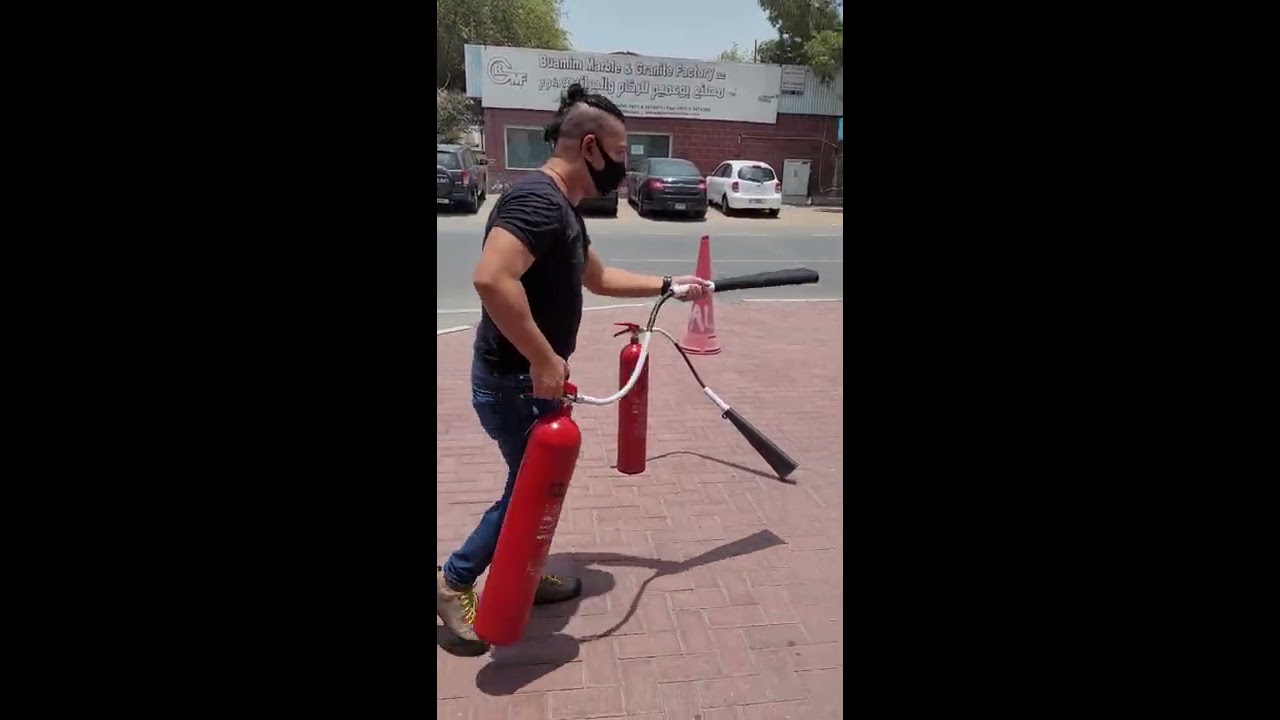
Take your leadership in workplace safety to the next level with the nationally recognised PUAFER006 Chief Warden Training. Designed for Chief and Deputy Fire Wardens, this face-to-face 3-hour course teaches critical skills: coordinating evacuations, leading a warden team, making decisions under pressure, and liaising with emergency services. Course cost is generally AUD $130 per person for public sessions. Held in multiple locations including Brisbane CBD (Queen Street), North Hobart, Adelaide, and more across Queensland such as Gold Coast, Sunshine Coast, Toowoomba, Cairns, Ipswich, Logan, Chermside, etc.
If you’ve been appointed as a Chief or Deputy Fire Warden at your workplace, the PUAFER006 – Chief Warden Training is designed to give you the confidence and skills to take charge when it matters most. This nationally accredited course goes beyond the basics of emergency response, teaching you how to coordinate evacuations, lead and direct your warden team, make quick decisions under pressure, and effectively communicate with emergency services. Delivered face-to-face in just 3 hours, the training is practical, engaging, and focused on real-world workplace scenarios. You’ll walk away knowing exactly what to do when an emergency unfolds—and you’ll receive your certificate the same day you complete the course. With training available across Australia—including Brisbane CBD (Queen Street), North Hobart, Adelaide, Gold Coast, Sunshine Coast, Toowoomba, Cairns, Ipswich, Logan, Chermside and more—it’s easy to find a location near you. At just $130 per person, this course is an affordable way to make sure your workplace is compliant with safety requirements while also giving you peace of mind that you can step up and lead when it counts.